The Best Vitamin C Serums for Brighter Skin
We earn a commission if you buy through our links, at no extra cost to you. As an Amazon Associate, we earn from qualifying purchases. Learn more.
On this page
Vitamin C serums promise brighter, more even-looking skin, and the research behind the ingredient is solid. The tricky part is that there are dozens of forms, strengths and price points, and some formulas go bad before you finish the bottle. We read ingredient lists, studied what the research says and sorted through verified customer reviews to find four vitamin C serums worth trying.
Quick picks
Timeless 20% Vitamin C + E Ferulic Acid Serum
Normal, combination and oily skin that wants a strong L-ascorbic acid serum without the luxury price.
See whyLa Roche-Posay Pure Vitamin C10 Serum
Sensitive skin that wants pure vitamin C at a lower, gentler strength.
See whyPaula's Choice C15 Super Booster
Uneven tone, dark spots and dullness, especially if you like to mix a booster into your moisturizer.
See whyTruSkin Vitamin C Serum
First-timers and anyone whose skin hasn’t tolerated L-ascorbic acid.
See whyWhich one is right for you?
What vitamin C does for your skin
Vitamin C is an antioxidant that your skin naturally contains. According to Cleveland Clinic and a review of the research published in the journal Nutrients, topical vitamin C can help:
Protect against free-radical damage
from UV light and pollution (it works alongside sunscreen, not instead of it).
Brighten dull skin
and fade the look of dark spots over time.
Support collagen
which keeps skin looking firm.
How to choose a vitamin C serum
The form matters
L-ascorbic acid (sometimes listed as “ascorbic acid”) is the most studied form, but it’s also the most likely to irritate and to break down. Derivatives like sodium ascorbyl phosphate or ascorbyl glucoside are gentler and more stable, but may work more slowly.
Strength
For L-ascorbic acid, 10% to 20% is the typical range. Higher isn’t always better: above about 20%, irritation tends to rise without much extra benefit.
Helper ingredients
Vitamin E and ferulic acid help stabilize vitamin C and boost its antioxidant effect.
Packaging
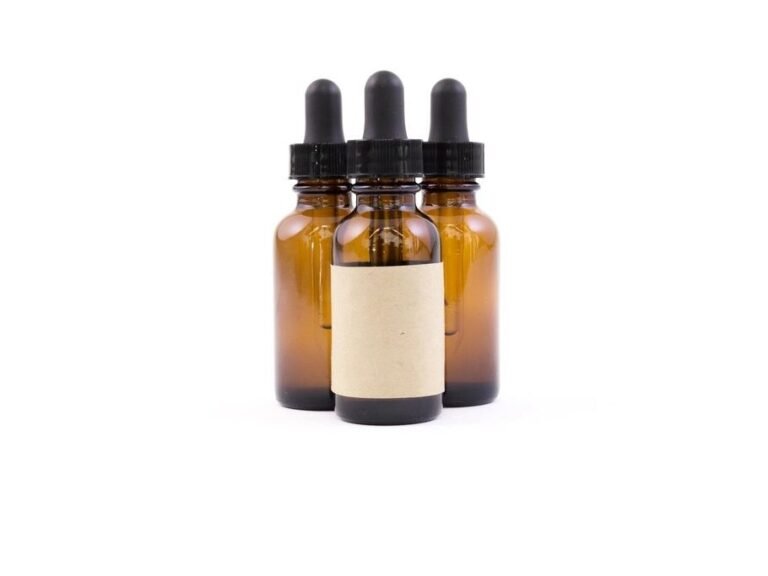
Light and air break vitamin C down. Look for dark or opaque bottles and keep the cap closed tightly.
Watch the color
A serum that has turned dark orange or brown has oxidized and is less effective. Replace it.
Our 4 picks, in detail
Timeless 20% Vitamin C + E Ferulic Acid Serum
Who it’s for: Normal, combination and oily skin that wants a strong L-ascorbic acid serum without the luxury price.
Key ingredients: 20% L-ascorbic acid, vitamin E and ferulic acid, plus hyaluronic acid. This is the same trio of antioxidants found in much more expensive serums.
Why we picked it: It’s one of the most affordable ways to try the classic vitamin C, E and ferulic acid combination, and it has a large, loyal following on Amazon.
Pros
- Strong, well-studied formula
- Budget-friendly
- Simple ingredient list
Cons
- 20% can sting sensitive skin
- Like all L-ascorbic serums, it oxidizes over time, so store it away from light and heat
La Roche-Posay Pure Vitamin C10 Serum
Who it’s for: Sensitive skin that wants pure vitamin C at a lower, gentler strength.
Key ingredients: 10% pure vitamin C (L-ascorbic acid) with salicylic acid and neurosensine, according to La Roche-Posay, which positions it for sensitive skin.
Why we picked it: La Roche-Posay is widely recommended by dermatologists, and a 10% concentration is a comfortable starting point if stronger serums have irritated you before.
Pros
- Gentler strength
- Made for sensitive skin
- Lightweight texture
Cons
- Mid-range price for a small bottle
- The salicylic acid may be drying if you already use other exfoliating acids
Paula's Choice C15 Super Booster
Who it’s for: Uneven tone, dark spots and dullness, especially if you like to mix a booster into your moisturizer.
Key ingredients: 15% vitamin C (L-ascorbic acid) with ferulic acid and vitamin E. Paula’s Choice says you can use it alone or add a few drops to your moisturizer.
Why we picked it: 15% sits in the sweet spot between effectiveness and tolerability, and the fragrance-free formula is easy to fit into almost any routine.
Pros
- Fragrance-free
- Effective strength
- Flexible to use
Cons
- Pricier than drugstore options
- Has a slight vitamin C smell, as most L-ascorbic serums do
TruSkin Vitamin C Serum
Who it’s for: First-timers and anyone whose skin hasn’t tolerated L-ascorbic acid.
Key ingredients: Sodium ascorbyl phosphate (a gentler, more stable vitamin C derivative), vitamin E, hyaluronic acid and plant extracts.
Why we picked it: It’s one of the best-selling serums on Amazon, and its gentler form of vitamin C is a low-risk way to see whether you like the ingredient.
Pros
- Gentle
- Affordable
- Hydrating thanks to hyaluronic acid
Cons
- Derivatives may work more slowly than L-ascorbic acid
- Contains several botanical extracts, which some sensitive skin doesn’t like
Compare all 4
| Pick | Award | Why it stands out | Details |
|---|---|---|---|
| Timeless 20% Vitamin C + E Ferulic Acid Serum | Best value | L-ascorbic acid with vitamin E and ferulic acid at a budget price | View |
| La Roche-Posay Pure Vitamin C10 Serum | Sensitive skin | 10% pure vitamin C from a dermatologist-favorite brand | View |
| Paula’s Choice C15 Super Booster | Best for dark spots | 15% vitamin C with ferulic acid in a lightweight formula | View |
| TruSkin Vitamin C Serum | Beginners | A gentler vitamin C derivative with hyaluronic acid | View |
What to pair with vitamin C
Vitamin C plays well with some ingredients and is easier to use apart from others.
| Ingredient | How to use it with vitamin C |
|---|---|
| Sunscreen | Great partner. Vitamin C in the morning, SPF on top |
| Vitamins E and ferulic acid | Often combined in one serum to help stability |
| Retinol | Use at different times: vitamin C in the morning, retinol at night |
| AHAs and BHAs | Can sting together, so try them on alternate days or times |
How to add vitamin C to your routine
- Use it in the morning, after cleansing, on dry skin.
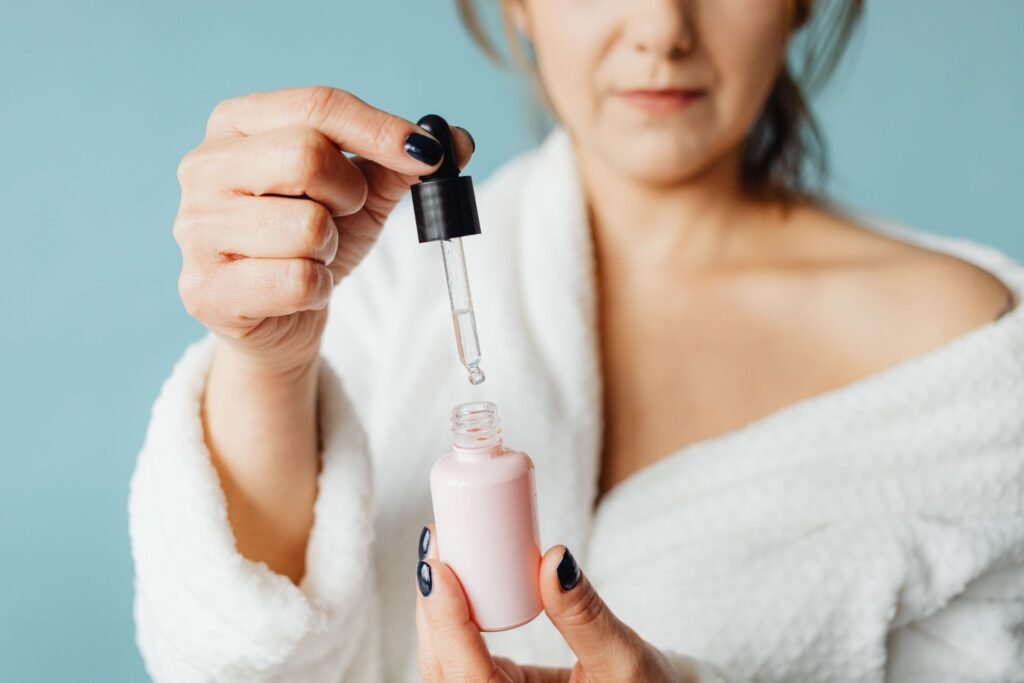
- Apply 3 to 5 drops to your face and neck.
- Follow with moisturizer, then a broad-spectrum sunscreen of SPF 30 or higher.
- Start every other day for the first week or two if you have sensitive skin.
- If you also use retinol, keep that for nighttime. See our guide to the best drugstore retinol for beginners.
Building a routine from scratch? Start with our simple 3-step skincare routine.
Terms, explained
- Antioxidant
- An ingredient that helps protect skin from damage caused by sun and pollution.
- Oxidation
- When vitamin C reacts with air and light and becomes less effective.
- Ferulic acid
- An antioxidant often paired with vitamins C and E to help stability.
- Hyperpigmentation
- Dark spots or patches, like sun spots or post-acne marks.
FAQ
Should I use vitamin C in the morning or at night?
Most dermatologists suggest the morning, because its antioxidant protection pairs well with sunscreen during the day.
Why does my vitamin C serum tingle?
L-ascorbic acid is acidic, so a mild tingle is common. If it burns, turns your skin red or itches, stop using it.
How long does vitamin C take to work?
Many people notice brighter skin in a few weeks, while dark spots usually take two to three months of daily use.
Can I use vitamin C with niacinamide?
Yes. The old advice that they cancel each other out isn’t a concern with modern formulas.
Can I use vitamin C around my eyes?
Many people do, but the skin there is thin. Start with a gentle, lower-strength formula and keep it away from the lash line.
Does vitamin C replace sunscreen?
No. It can add extra protection under sunscreen, but it doesn’t replace SPF.
Can vitamin C serum stain my skin?
Some L-ascorbic acid serums can leave a faint orange tint, especially once oxidized. It washes off and fades quickly.
How we chose
We picked these by comparing ingredients, specs and verified reviews. Check the listing for current prices.
This article is for general information and isn’t medical advice. Patch-test new products and see a dermatologist for persistent skin concerns.
Sources: Cleveland Clinic: Vitamin C serum benefits · Pullar et al., “The Roles of Vitamin C in Skin Health,” Nutrients (2017)